
Voluntourism in Chiapas: How to Combine Spanish Classes with Social Impact
Travel has evolved. Today, more than ever, international visitors are moving away from superficial tourism and seeking experiences that leave a positive footprint. In the highlands of Southern Mexico, San Cristóbal de las Casas has become the unofficial capital of “voluntourism”—a powerful travel philosophy that blends language learning with community support.
Chiapas is a region of breathtaking beauty, but it also faces significant economic and social challenges. For a language student, this creates a unique opportunity. By choosing to study at SanCris Language School and participating in local social projects, you don’t just learn a language; you become a catalyst for change[cite: 1]. In this guide, we explore how you can maximize your time in Chiapas through meaningful engagement.
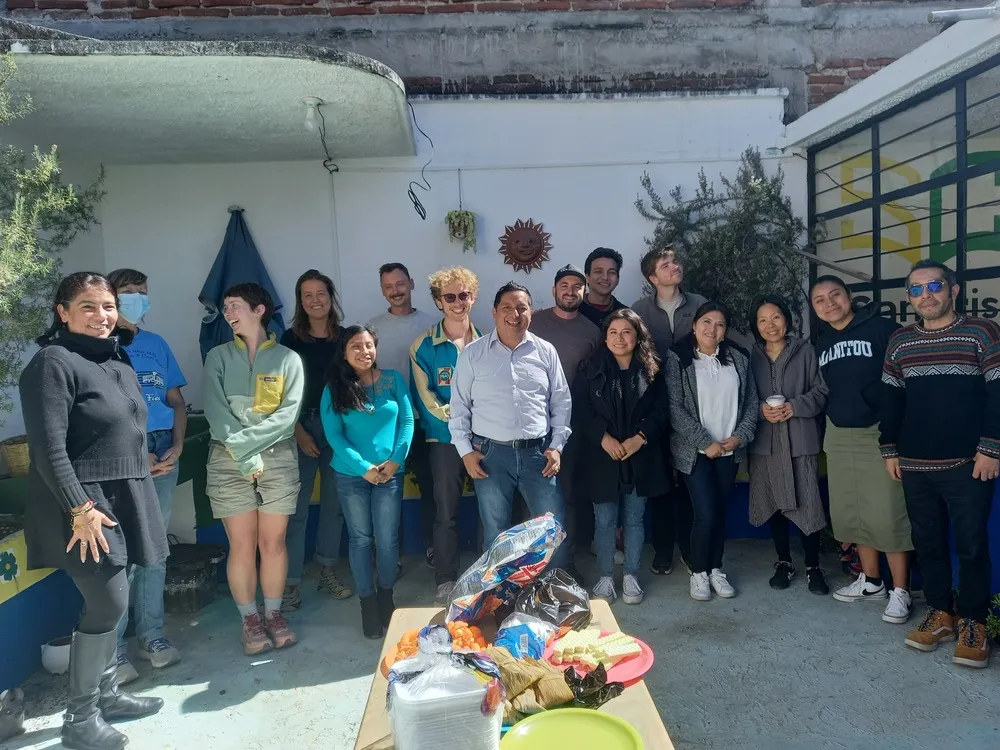
Caption: Community is built in the shared spaces where students and locals exchange ideas and cultural perspectives.
1. The Power of “Language + Purpose”
Many travelers try to volunteer in Latin America with zero Spanish skills. While their intentions are noble, the reality is that the language barrier severely limits their impact. Without Spanish, you cannot deeply understand the needs of a local indigenous community, build trust with children in an educational project, or coordinate effectively with non-profit leaders.
Combining morning intensive classes at SanCris Language School with afternoon volunteering creates a beautiful, accelerated feedback loop. The verbs and vocabulary you study in the classroom at 9:00 AM are the exact linguistic tools you will use at 4:00 PM to assist a local cooperative or teach a workshop.
— Cliona O., Volunteer from Ireland
2. Key Social Impact Areas in San Cristóbal
San Cristóbal de las Casas is home to dozens of NGOs, grass-roots collectives, and civil organizations. Depending on your background, skills, and personal interests, you can find a project that aligns perfectly with your goals:
- Education and Child Support: Assisting in after-school programs, teaching basic English, or organizing sports activities for children working in urban environments.
- Women’s Cooperatives: Helping Tsotsil and Tseltal artisan weavers digitize their inventory, translate marketing materials, or set up fair-trade networks.
- Eco-Sustainability: Working with local organic farming groups or reforestation efforts in the pine forests surrounding the valley.
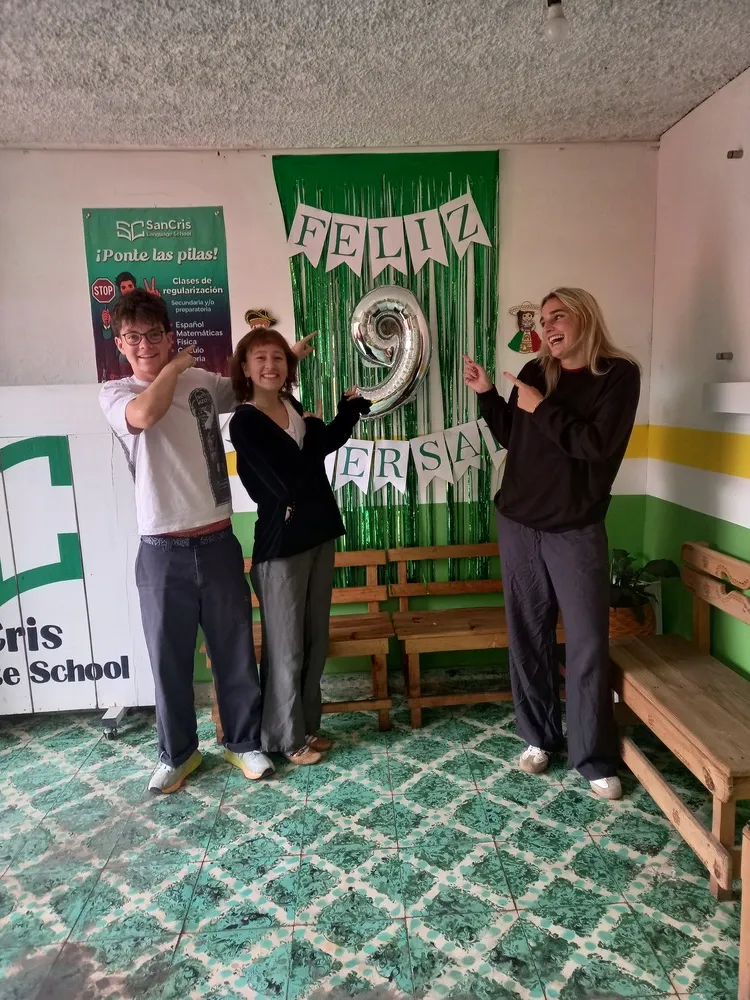
Caption: Our staff helps you bridge the gap between academic learning and real-world cultural immersion.
3. Cultural Sensitivity: Doing Voluntourism the Right Way
True voluntourism requires an attitude of humility. The goal is not to “save” anyone, but to stand in solidarity, share skills, and learn from the rich ancient wisdom of the Chiapanecan people. At SanCris Language School, our certified native instructors act as your cultural mentors. We teach you the subtle socio-linguistic codes necessary to step into indigenous municipalities like San Juan Chamula or Zinacantán with absolute respect.
4. The Ultimate Reward: Deep Fluency
When you sit with native speakers to work on a common project, your brain stops treating Spanish as a test subject and starts treating it as a vital survival mechanism. This immersion forces you out of your comfort zone, eliminating the fear of making mistakes. By the end of a month of volunteering and studying, your fluency will skyrocket far beyond what any standard textbook program could achieve.
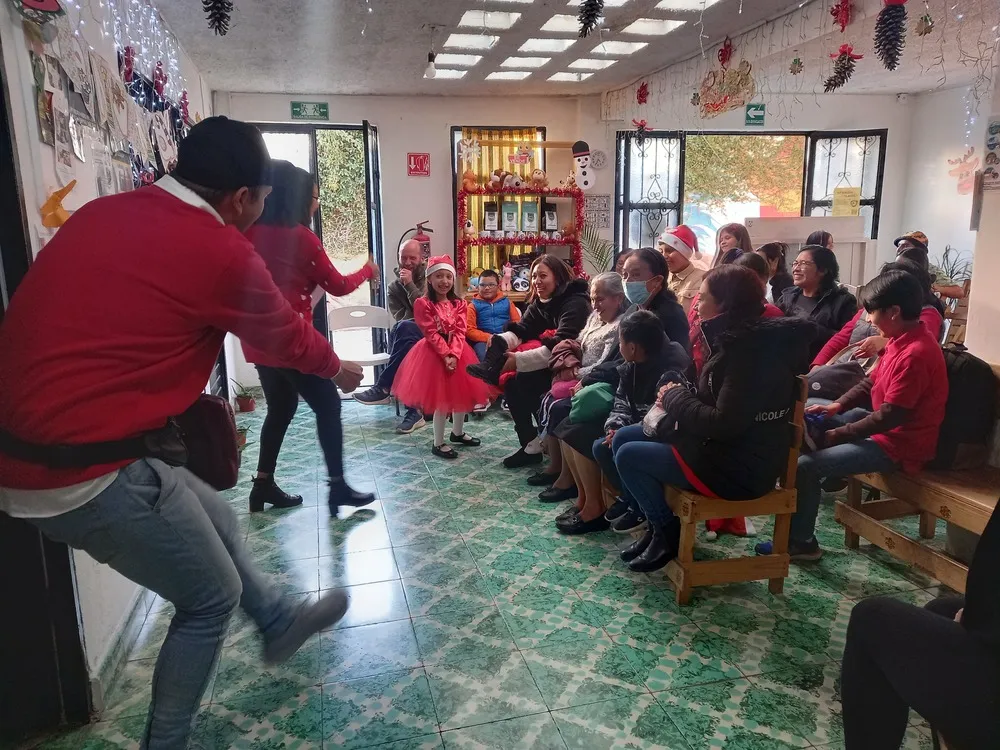
Caption: Celebrating local traditions is an essential pillar of cultural integration and social impact.
Voluntourism & Spanish FAQ
Do I need an advanced level of Spanish to start volunteering?
Not necessarily. While some highly technical projects require intermediate fluency, many educational and environmental initiatives welcome enthusiastic absolute beginners who are simultaneously enrolled in language courses.
Can the school help me find a verified local project?
Yes. We love connecting our international students with transparent, grass-roots organizations in Chiapas that genuinely benefit the local community[cite: 1].
What is the minimum recommended stay for a volunteer program?
To ensure your impact is meaningful for the local organization, we highly recommend a stay of at least 2 to 4 weeks, combining intensive morning classes with afternoon field engagement.