
The Digital Nomad Guide to San Cristóbal de las Casas: Coworking, Coffee, and Community
With its cobblestone streets, colonial architecture, and crisp mountain air, San Cristóbal de las Casas has quietly transformed into one of Mexico’s most enchanting hubs for digital nomads and remote workers. Located in the highlands of Chiapas, this magical town offers a rare combination: a rich indigenous heritage blended with a vibrant, international community of creators, entrepreneurs, and slow travelers.
But working remotely from a mountain valley requires some planning. From finding reliable high-speed internet to balance your Zoom calls with cultural immersion, here is your ultimate survival guide to living, working, and studying at SanCris Language School as a professional nomad[cite: 1].
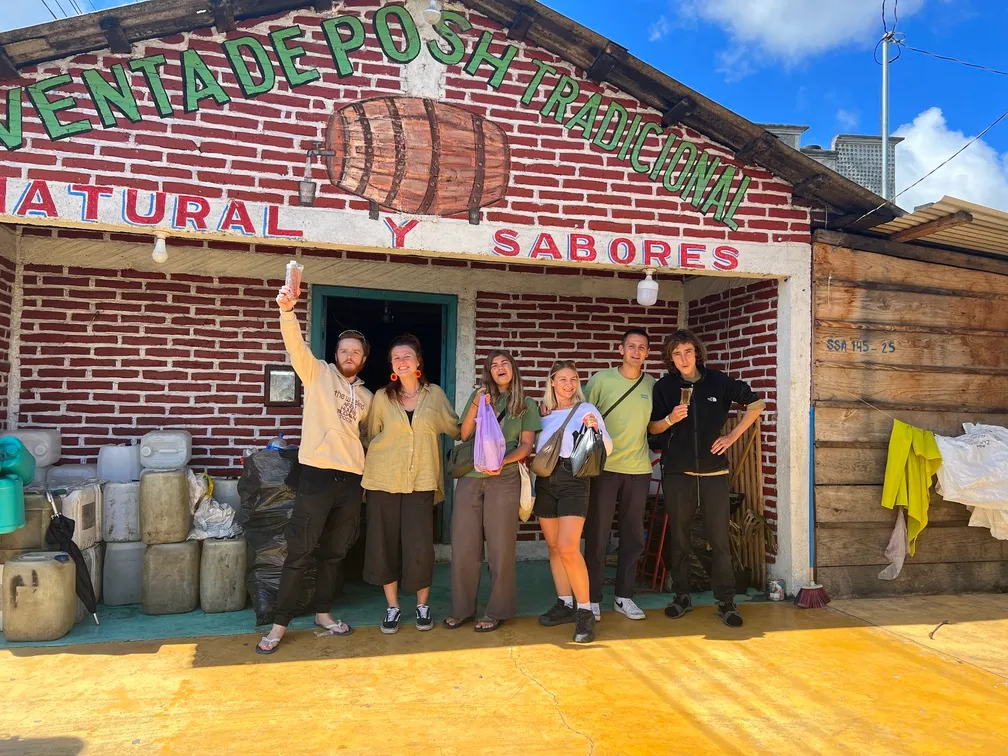
Caption: The unique atmosphere of San Cristóbal makes it incredibly easy to find inspiration for your daily remote work.
1. The Connectivity Reality Check: Internet Speeds
A few years ago, working from Chiapas was a gamble. Today, the infrastructure has improved dramatically. Fiber optic internet is now widely available in the center of San Cristóbal, offering stable speeds ranging from 50 Mbps up to 200 Mbps—more than enough for seamless video conferencing, software development, and cloud uploads.
When booking your accommodation (whether it’s a co-living space, a local Airbnb, or a traditional apartment), always ask the host for a recent speed test screenshot. Having a backup cellular data plan with Telcel is also a smart move, as occasional power grids can flicker during the summer rainy season.
— Julian M., Software Engineer & Remote Worker
2. Best Cafes and Workspaces in Town
San Cristóbal has a legendary coffee culture, harvesting some of the finest organic beans in Mexico. For a nomad, this means your “office” changes every day. The town is packed with laptop-friendly cafes that offer great Wi-Fi, plenty of power outlets, and delicious food to keep you fueled.
Places like Central de Café, Frontera, and local specialty roasters are perfect for knocking out a few hours of deep focus. If you prefer a structured environment, there are also dedicated co-working spaces in the historical center that offer quiet rooms, ergonomic chairs, and community networking events.
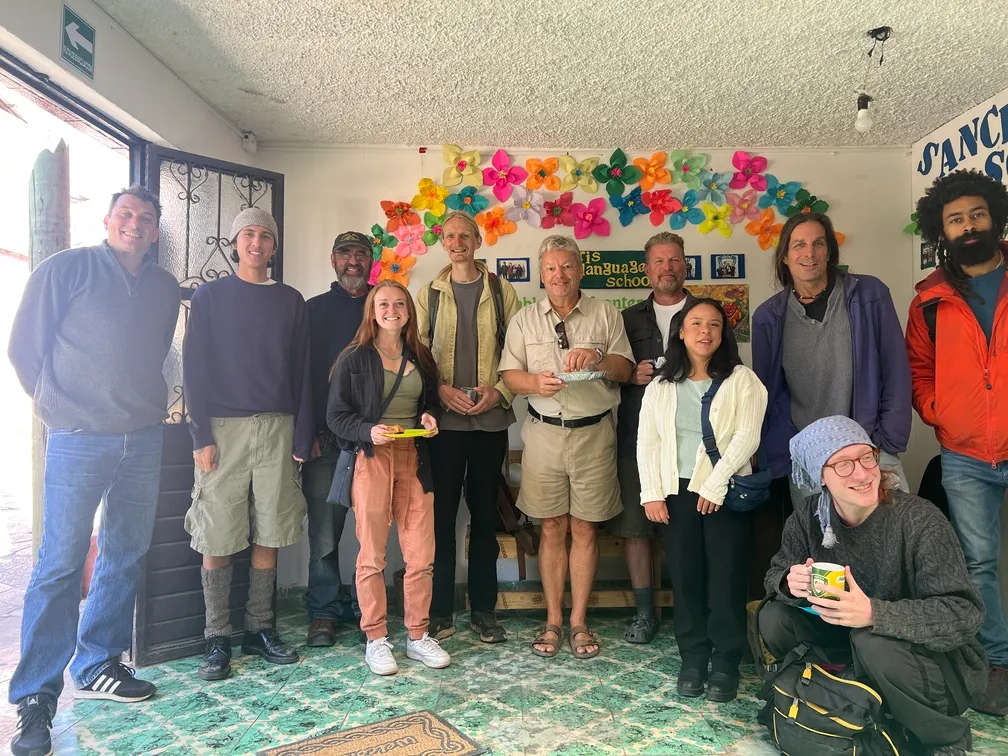
Caption: Networking with fellow global travelers is a cornerstone of the nomadic lifestyle in Chiapas.
3. The Language Advantage for Slow Travelers
One of the biggest mistakes digital nomads make is staying inside a “foreign bubble.” Learning Spanish is the master key to unlocking the true soul of San Cristóbal. It allows you to bargain fairly at the local markets, chat with artisan weavers, and build genuine friendships with locals.
At SanCris Language School, we specialize in flexible programs tailored specifically for remote workers[cite: 1]. We know you have stand-up meetings and tight deadlines, which is why our private one-on-one lessons can be adapted to fit your specific professional schedule, allowing you to learn at your own pace without sacrificing your workflow[cite: 1].
4. Cost of Living and Quality of Life
Compared to other Mexican nomad destinations like Playa del Carmen, Oaxaca, or Mexico City, Chiapas remains incredibly affordable. Your budget stretches significantly further here, allowing you to enjoy premium organic dining, comfortable private apartments, and weekend excursions to natural wonders like El Chiflón waterfalls or the Sumidero Canyon without breaking the bank.
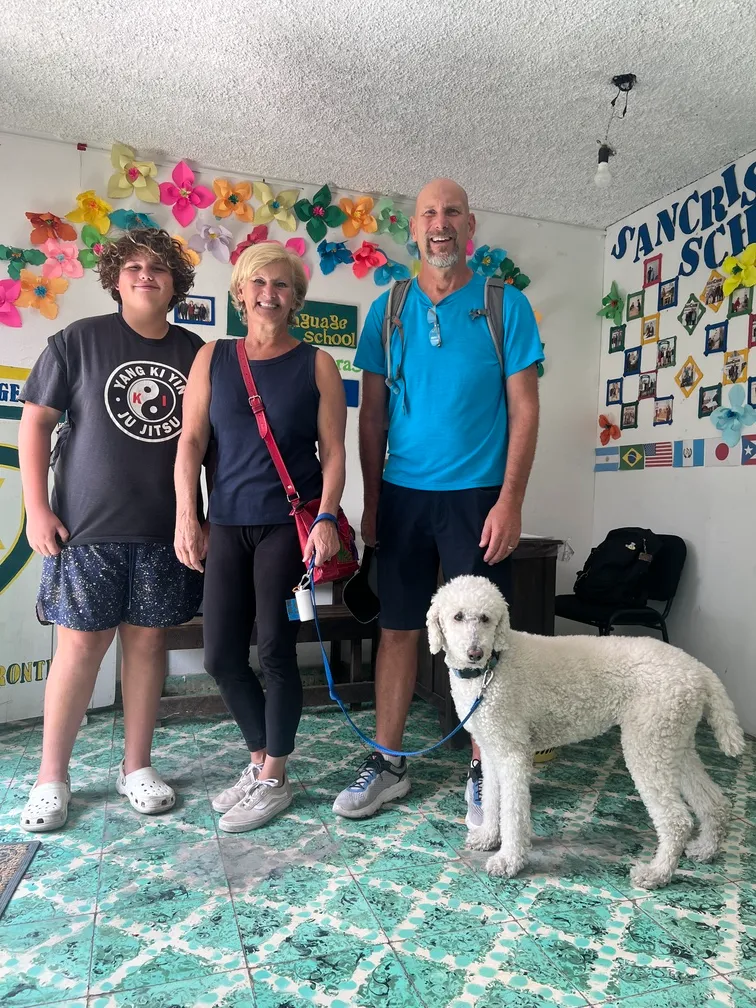
Caption: Beyond work, the natural beauty and cultural activities surrounding the valley offer an unparalleled quality of life.
Digital Nomad in Chiapas FAQ
Is San Cristóbal de las Casas safe for remote workers?
Yes. The historical center and neighborhoods popular among expats and nomads are generally safe and highly walkable, even at night. Standard common-sense travel precautions apply.
Does SanCris Language School offer afternoon or weekend classes?
Yes! We provide highly adaptable schedules and customized corporate packages to ensure your learning perfectly complements your professional calendar[cite: 1].
What is the best time of year to visit as a nomad?
The dry season from November to April offers beautiful sunny days and cool nights. The rainy season (May to October) brings lush green landscapes and fewer tourists, which many slow travelers prefer.